
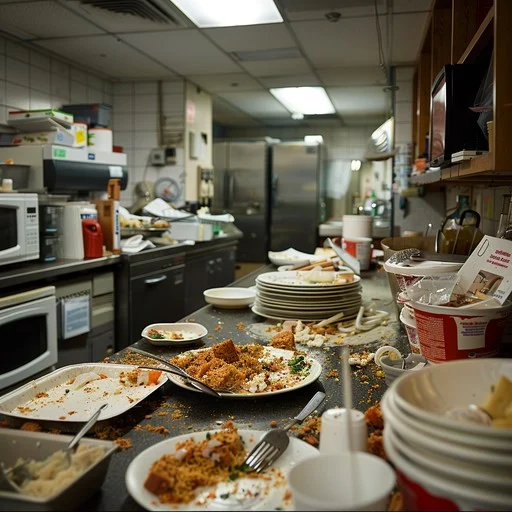
Restaurant inventory management is one of the most overlooked profit levers in the industry. If you’re still relying on spreadsheets to track your stock, you’re not just wasting time — you’re losing thousands of dollars every single month without knowing it.
The Hidden Cost of Manual Inventory
Here’s what most restaurant owners don’t track: the cost of tracking inventory.
A typical spreadsheet-based inventory process eats 5 to 10 hours of labor per week across your management team. At a fully loaded manager rate of $25/hour, that’s $6,500 to $13,000 a year — just in time. And that’s before a single error is made.
The real damage shows up in three places:
1. Over-ordering Without real-time usage data, managers order based on gut feel or last week’s numbers. The result? Overstocked shelves, accelerated spoilage, and cash tied up in inventory you don’t need yet.
2. Waste and Spoilage The average restaurant wastes 4 to 10 percent of food purchased. A significant portion of that is preventable with accurate par levels and rotation tracking — two things a spreadsheet can’t do automatically.
3. Theft and Variance Manual counts create blind spots. Without a system that flags discrepancies in real time, theft and portioning errors go undetected for weeks — sometimes months.
Add it up and most independent restaurants are losing 5 to 15 percent of their COGS to inefficiencies that have nothing to do with their menu or their kitchen talent.
Why Spreadsheets Fail at Scale
Spreadsheets were built for data storage, not operational decision-making. They don’t talk to your POS. They don’t know what you sold last Tuesday. They can’t tell you that your chicken thigh usage is trending 20 percent above your order cycle. And they certainly can’t place a suggested order with your Sysco rep.
Every time a manager opens that spreadsheet, they’re working with stale data, making decisions in a vacuum, and hoping the numbers are right.
Hope is not an inventory strategy.
What Modern Inventory Management Actually Looks Like
Platforms like Orca Inventory were built specifically to replace this broken workflow. Here’s what changes when you make the switch:
- Real-time counts synced across every device, even offline
- AI-suggested ordering that learns your usage patterns and adjusts automatically
- Direct integration with your POS, Sysco, US Foods, QuickBooks, and 100+ other platforms
- Variance reporting that flags discrepancies before they become losses
- Recipe costing tied to live ingredient prices so your margins are always accurate
One Orca client — Tim Wilson of Spearmint Rhino — saved nearly $20,000 in a single month after switching. Sysco’s own team has called it “the Ferrari of inventory systems.” OrcaInventory
That’s not a marketing line. That’s what happens when you stop guessing and start knowing.
The Bottom Line
If your food costs feel stuck, your ordering feels reactive, and your Sunday night inventory feels like punishment — the spreadsheet is the problem, not your team.
The good news: switching is easier than you think, and the savings show up fast.
Ready to see what you’re leaving on the table? Book a free demo at orcainventory.com and we’ll show you exactly where your margins are going — and how to get them back.
